Instrument Installation Systems for LNG Facilities
Snap Track cable tray, instrument stands, condensate chambers, and modular racks for liquefied natural gas terminals, liquefaction trains, and regasification facilities.
THE LNG ENVIRONMENT
Cryogenic service, coastal exposure, and compressed construction schedules.
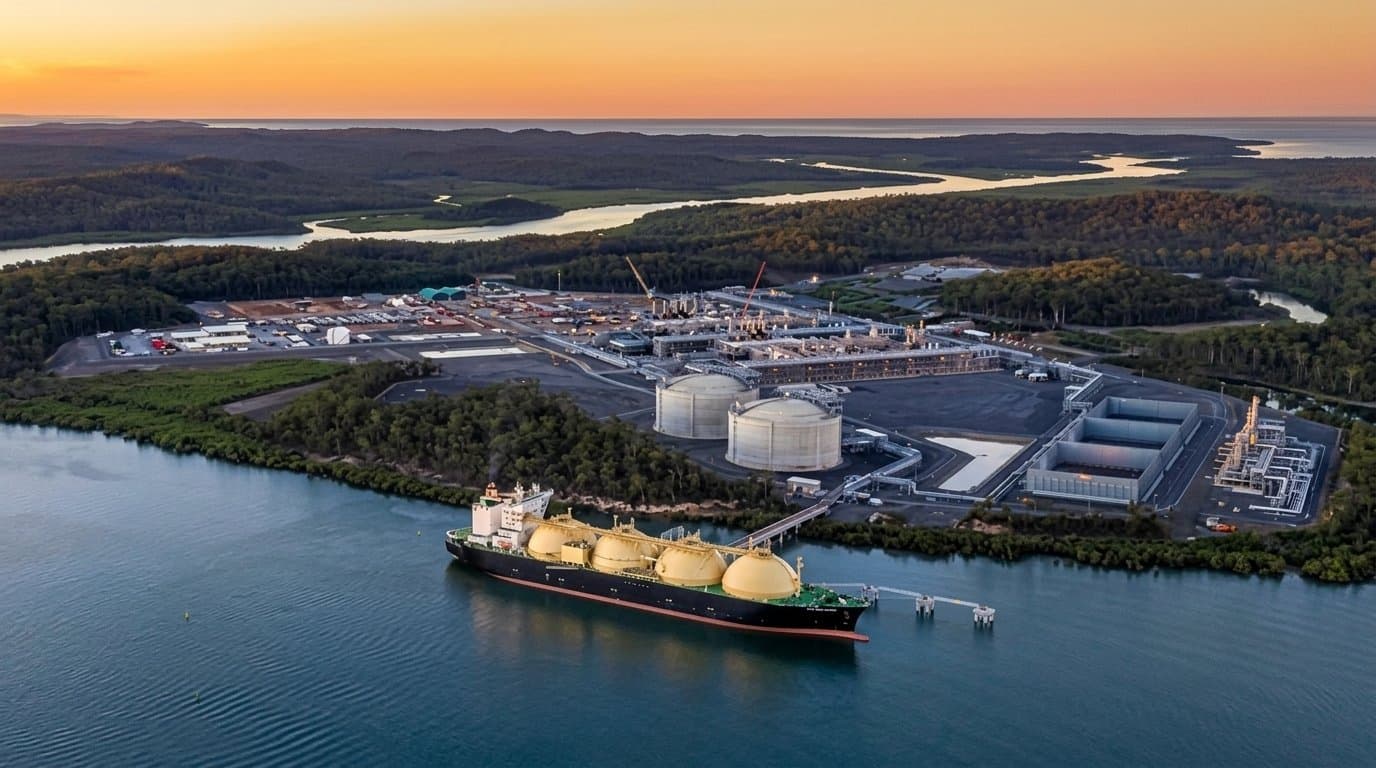
LNG facilities present a unique combination of installation challenges that separates them from standard process plant work. The process operates at cryogenic temperatures — LNG is stored and transferred at approximately -260°F (-162°C) — which imposes material selection requirements that don't apply in conventional process plant instrumentation. The facilities are almost universally located on coastal waterways to enable marine transfer, which means the instrument installation hardware operates in continuous salt atmosphere exposure. And LNG projects are typically executed on compressed EPC schedules where installation speed is a primary project performance metric.
TechLine Mfg. has supplied instrument installation hardware to LNG liquefaction and regasification projects on the US Gulf Coast and internationally. The Cove Point LNG facility in Maryland and multiple Gulf Coast LNG projects have specified TechLine products for instrument cable routing, device mounting, and process connection hardware.
CABLE ROUTING
Instrument cable management in cryogenic and coastal environments.
LNG facility instrument cable routing shares the same fundamental requirements as other process plant applications — organized, protected, code-compliant pathways from field devices to junction boxes — with the added constraints of cryogenic temperature proximity and aggressive coastal corrosion.
Snap Track marine-grade aluminum channel cable tray is the natural specification for LNG instrument cable routing. The aluminum construction resists coastal salt atmosphere corrosion without coating maintenance — the same material performance that makes aluminum the standard for marine and offshore applications. The ABS Product Design Assessment that qualifies Snap Track for marine and offshore use is directly applicable to coastal LNG facilities where the atmospheric conditions match the marine environment.
The push-pin assembly system and 20-foot extruded sections support the compressed construction schedules typical of LNG EPC projects. Installation crews trained in conduit can be brought up to Snap Track installation speed in under an hour. On a large LNG liquefaction project where instrument cable runs are measured in tens of thousands of feet, the installation labor savings of Snap Track over conduit or bolted channel tray are significant.
Cryogenic area considerations: In areas where instrument cables route near cryogenic equipment, cable selection — not tray selection — is the primary engineering decision. Tray-rated cables suitable for cryogenic service are available from multiple manufacturers. Snap Track aluminum tray is compatible with the temperature ranges encountered in LNG instrument cable routing applications. Consult TechLine for specific guidance on tray applications in direct cryogenic service proximity.
FIELD DEVICE MOUNTING
Instrument stands and racks for LNG service.
Standard service areas
Hot-dipped galvanized or aluminum instrument stands for areas away from direct salt spray and cryogenic equipment. TechLine stock stands ship within 24 hours in standard heights and configurations.
Coastal and process area service
316 stainless steel instrument stands for areas with direct salt atmosphere exposure or proximity to process equipment. The molybdenum content of 316SS provides the pitting corrosion resistance required in coastal chloride environments.
Multi-instrument installations
TechLine ModRack provides configurable multi-instrument mounting for analyzer shelters, instrument air systems, and electrical equipment areas in LNG facilities. The adjustable receiver system accommodates single strut, double strut, and 2" square tubing, covering the range of equipment that needs to be mounted in LNG instrument areas. Available in 316SS for corrosive service.
Large permanent installations
TechLine FixedRack custom welded racks for permanent, large-scale equipment mounting — electrical panels, remote I/O cabinets, analyzer packages — in LNG facilities. Built to customer drawings in any material including 316SS. Ships pre-assembled and ready to install.
PROCESS CONNECTION HARDWARE
Condensate chambers and manifolds for LNG instrument loops.
Condensate chambers in LNG service
The process connection requirements in LNG facilities vary significantly by service. Cryogenic liquid service, high-pressure gas service, and warm process areas each have different requirements for condensate chamber material and configuration.
For standard gas service in LNG facilities, TechLine condensate chambers in 316 stainless steel Schedule 80 are the conservative specification. For high-pressure service, Schedule 160 or Extra Extra Heavy wall is available. For specialty service including sour gas or high-H₂S content, consult TechLine for material recommendations — Hastelloy and other specialty alloys are available.
All TechLine condensate chambers are manufactured under ASME Section IX welding procedures and hydrotested per ASME Section VIII Division 1, UG-99. Pressure test certificates ship with every chamber. X-ray and dye-penetrant testing are available for applications where project specifications require enhanced inspection.
Distribution manifolds
TechLine air and instrument gas distribution manifolds for LNG facility instrument air headers. Manufactured in 316SS as standard for LNG coastal service. Connections in threaded, socket weld, or flanged configurations per project specification. Optional SS ball valves on each outlet.
MATERIAL SELECTION
Coastal corrosion and cryogenic compatibility.
LNG facility material selection is governed by two independent requirements that must both be satisfied: coastal corrosion resistance and cryogenic temperature compatibility.
Coastal corrosion
Marine-grade aluminum for Snap Track cable tray and structural supports. 316 stainless steel for instrument stands, condensate chambers, manifolds, and connection hardware in process and outdoor areas. Hot-dipped galvanized acceptable for indoor non-process areas with limited salt air exposure.
Cryogenic compatibility
Aluminum maintains its mechanical properties at cryogenic temperatures — it does not become brittle at LNG temperatures the way carbon steel and many other materials do. This makes aluminum Snap Track cable tray inherently compatible with cryogenic service proximity from a material standpoint. 316 stainless steel is also cryogenic-compatible. Carbon steel loses ductility at cryogenic temperatures and is not acceptable for cryogenic service components.
For instrument stands and mounting hardware in direct contact with cryogenic equipment or piping, verify material selection against the applicable cryogenic service specifications for the project. TechLine can supply instrument stands in austenitic stainless steel grades suitable for cryogenic service.